Best Time for Whale Watching Hermanus
The first sign is often not the whale itself, but the stillness before someone on the cliff path points out to sea. Then a dark back rises, a tail lifts, and suddenly Hermanus feels less like a destination and more like a front-row seat to something ancient and quietly astonishing. If you are wondering about the best time for whale watching Hermanus, the short answer is July to November. The better answer depends on the kind of experience you want.
When is the best time for whale watching Hermanus?
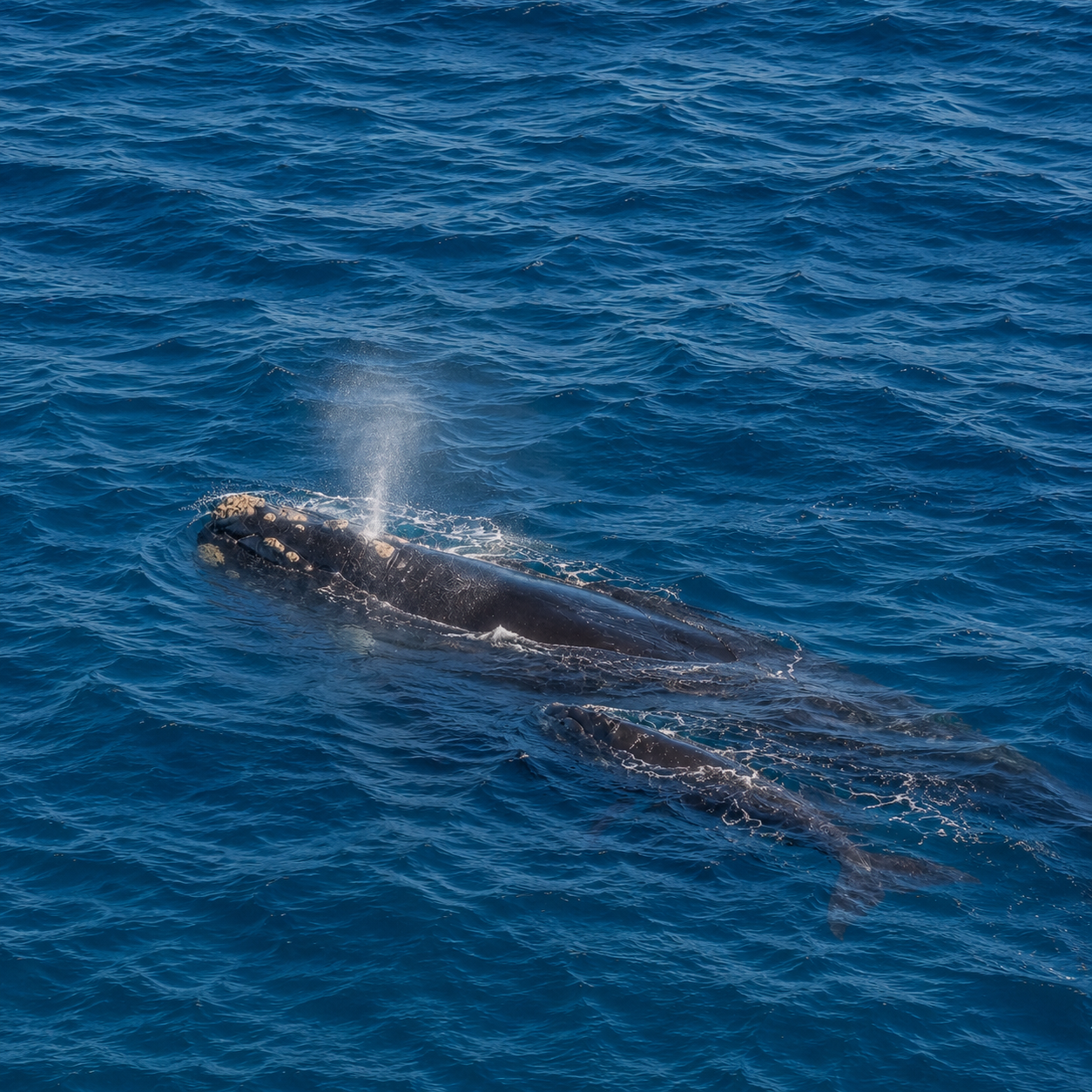
Hermanus is one of the rare places in the world where whale watching can be extraordinary from land. Every year, southern right whales migrate to the sheltered bays along South Africa’s Whale Coast to mate, calve, and nurse their young. That is what makes the season so special - these are not quick offshore sightings. In the right months, whales linger close to shore, often close enough to watch their slow rolling movements without ever stepping on a boat.
The main whale season in Hermanus usually runs from June through early December. If your goal is to maximize your chances, the best time for whale watching Hermanus is generally between August and October. These are the months when sightings are most consistent, the number of whales is at its highest, and mothers with calves are often seen in the bay.
That said, peak season is not always the best season for every traveler. Some guests want the highest odds of dramatic sightings. Others care just as much about a quieter atmosphere, softer weather, and space to enjoy the coastline without the busiest crowds. Hermanus rewards both approaches.
🐋 Best Time for Whale Watching in Hermanus:
- June – First whales arrive
- July–August – Season gains momentum
- September–October – Peak whale season
- November – Last whales before departure
⭐ Best overall months: September & October
A month-by-month look at whale season
June is the beginning of anticipation. The first whales start to arrive, and sightings become possible, though not yet guaranteed every day. If you like a sense of early season calm and do not mind a little unpredictability, June can feel intimate and unhurried.
July brings more regular sightings and marks the true start of the whale-watching rhythm. The town begins to turn its attention to the ocean. Walks along the cliffs become longer, binoculars come out, and every sea view carries possibility.
August and September are often the sweet spot. By this stage, southern right whales are well established in the bay, and encounters from shore can be frequent and deeply memorable. This is also one of the best times to see mothers and calves. The weather can still be changeable, but that crisp coastal light often adds to the experience rather than taking away from it.
October remains excellent and is, for many travelers, the ideal month. Whale activity is still strong, temperatures are usually a bit milder, and the landscapes feel alive with spring energy. If you want a balanced mix of reliable sightings and more comfortable outdoor days, October is hard to beat.
November can still be very rewarding, especially in the earlier part of the month. Some whales begin to depart, but sightings remain common enough to justify a visit if your travel dates fall then. By late November into early December, the season begins to taper off.
Peak months versus quieter months
If you are planning a special trip around whale watching alone, aim for September or October. Those months usually offer the strongest combination of whale numbers, shoreline activity, and pleasant conditions for being outside. You are simply more likely to have those moments people remember for years - a breach in the distance, a calf surfacing beside its mother, or the sudden flash of a tail against a silver-blue bay.
If, however, you want the experience woven into a slower coastal holiday, July, August, or early November can be a lovely alternative. You may trade a small degree of certainty for more breathing room. Restaurants, viewpoints, and walking paths can feel calmer, and there is something luxurious about seeing whales without feeling part of a rush.
That trade-off matters. Peak whale season also draws more visitors, especially around weekends and school holidays. For some travelers, that energy adds excitement. For others, the quieter edges of the season fit the spirit of a more private escape.
Guests staying at MBIZI lagoon house are perfectly positioned to explore Hermanus during whale season while enjoying the quieter surroundings of Fisherhaven and the Bot River Lagoon.
The best time of day to see whales in Hermanus
Month matters most, but time of day also shapes the experience. Early morning is often especially rewarding. The light is soft, the sea can be calmer, and the coastline feels hushed in a way that makes every sighting feel more dramatic. Late afternoon can be beautiful too, particularly when the low sun warms the cliffs and the bay turns gold.
Midday sightings certainly happen, but glare and wind can make whale spotting more difficult. If you are staying for several nights, the best approach is not to treat it as a one-time outing. Build whale watching into the natural rhythm of your stay. Walk the cliff path in the morning, linger over lunch with an ocean view, then look out again in the late afternoon. Hermanus is generous to those who slow down.
MBIZI Tip:
If you're staying for several days, don't plan a single whale-watching outing and hope for the best. Some of the most memorable sightings happen unexpectedly — during a morning coffee, a walk along the Cliff Path or lunch overlooking Walker Bay.
Land-based or boat-based whale watching?
One of Hermanus’s great pleasures is that you do not need a boat tour to have an exceptional encounter. The cliff path is famous for good reason. It offers elevated viewpoints, easy access, and the simple joy of watching the ocean at your own pace. There is no schedule to keep, no rush to board, and no barrier between you and the landscape.
Boat-based whale watching can add another dimension. It may bring you closer, and for some visitors that sense of proximity is worth it. But conditions matter. Tours depend on weather and sea state, and they are naturally more structured. If you prefer a gentler, more contemplative experience, Hermanus is one of the best places to stay on land and still feel fully immersed.
For many guests, the ideal answer is both: enjoy the freedom of cliffside viewing, then consider a boat trip if conditions are good and you want a different perspective.
Weather, crowds, and what to expect
Whale season in Hermanus falls across South Africa’s winter and spring. That means weather can shift quickly. You might wake to mist, watch the sun burn through by midday, and end the day with a fresh ocean breeze. Packing layers is the easiest way to stay comfortable. A warm knit, a windproof jacket, and good walking shoes usually matter more than heavy winter gear.
Crowd levels vary noticeably through the season. Weekends, holiday periods, and the well-known whale festival period tend to be busiest. If you prefer a quieter atmosphere, aim for midweek stays and avoid building your trip around the most crowded dates. The whales do not care whether it is a festival weekend. They are just as moving on an ordinary Tuesday morning.
Where your stay makes the experience better
The most memorable whale-watching trips are rarely only about the sighting itself. They are about the feeling around it - waking to wide views, moving slowly through the day, returning from the coast to somewhere calm and beautiful, and carrying that sense of wonder into the evening.
This part of the Whale Coast lends itself to that kind of travel. From Fisherhaven and the lagoon side to the vineyards of Hemel-en-Aarde and the ocean beyond Hermanus, the landscape gives you more than one reason to stay a little longer. A whale sighting in the morning can lead to a long lunch, an afternoon among the fynbos, and sunset with the mountains turning soft at the edges.
That is also why many travelers prefer not to rush in and out on a day trip. When your accommodation is part of the experience, the season opens up differently. At a place like MBIZI Lagoon House, the privilege is not only being near Hermanus in peak whale months, but being able to let the whole coast settle into you - the lagoon light, the wild horses nearby, the ocean air, and the knowledge that tomorrow may bring another sighting.
Where We Love to Watch Whales
Some of our favourite whale-watching moments haven't happened on a tour at all. They happened while walking the Cliff Path, enjoying lunch overlooking Walker Bay or simply spending an afternoon by the coast with no particular plan.
That's one of the reasons we love this part of the Whale Coast so much — the whales often appear when you least expect them.
So, when should you go?
If you want the highest chance of seeing whales, book for September or October. If you love a quieter mood and are happy with slightly more variation, July, August, or early November can be just right. And if your dream is less about ticking off a wildlife event and more about experiencing the Whale Coast in its most soulful season, choose a few unhurried days rather than a single perfect one.
The ocean does not perform on command. That is part of what makes Hermanus so unforgettable. Come in the right months, give yourself time, and let the waiting become part of the gift.